Source zipper black card album for trading, gaming, and collection
Find a zipper black card album among 30 verified options for trading card storage, gaming card organization, and general collection needs. Buyers can compare material types like PU and PP, pocket configurations, and customization features to select the right storage solution.
Key considerations
Products List


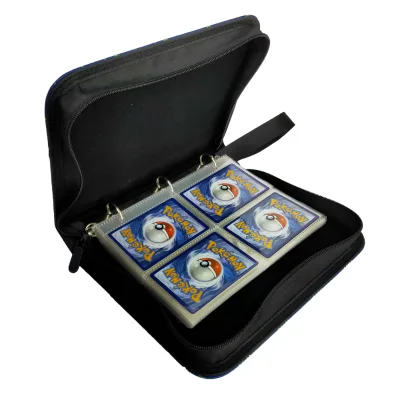
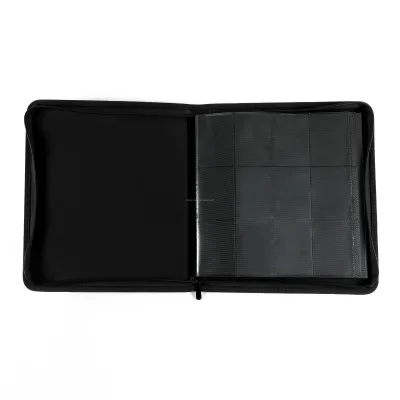


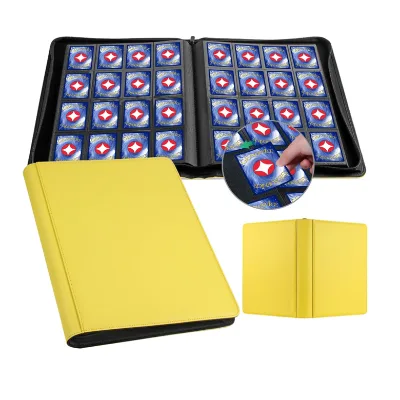
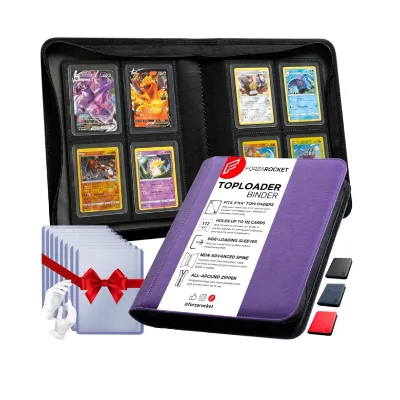
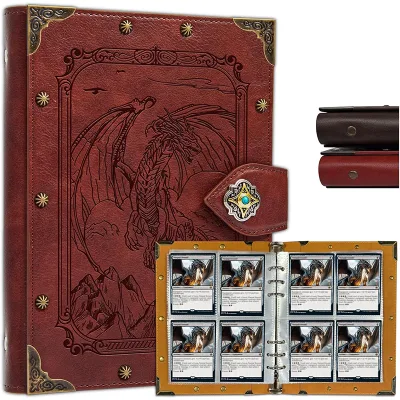
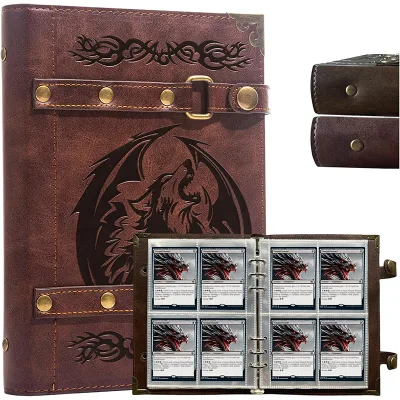
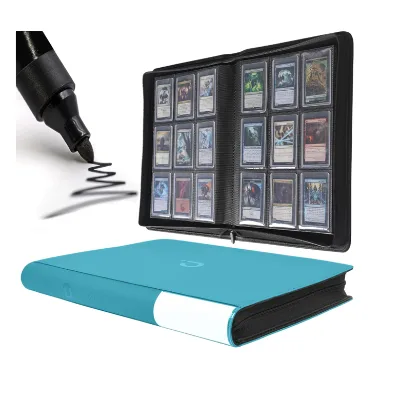
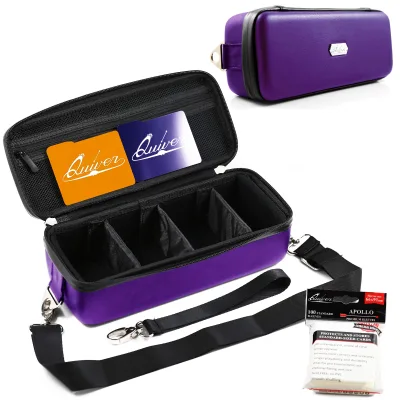
Comprehensive Sourcing Guide
Strategic Sourcing Guide for Zipper Black Card Albums
Understanding Product Specifications and Material Variations
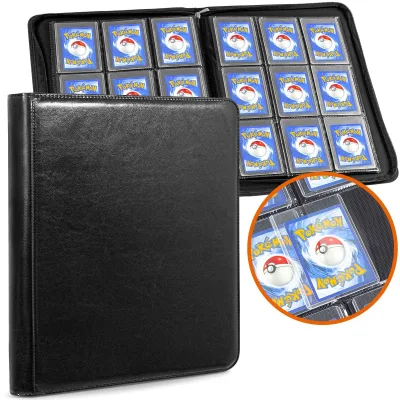
When sourcing a zipper black card album, the buyer must first navigate the complex landscape of material composition and structural design. The market presents distinct variations in raw materials, primarily polyurethane (PU) and polypropylene (PP), alongside metal components for specific structural elements. PU materials often provide a premium, leather-like aesthetic suitable for high-end gaming card collections, while PP offers a more rigid, transparent, or durable alternative often found in standard binder applications. The core keyword implies a specific aesthetic (black) and functional closure (zipper), yet the underlying construction can vary significantly between a simple wallet-style pocket and a heavy-duty binder system.
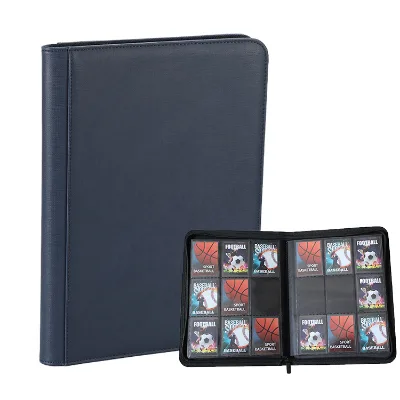
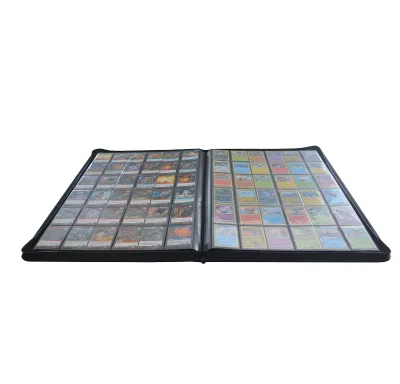
The structural integrity of these albums is often defined by their pocket configuration. Standard configurations observed in the market include 4-pocket, 9-pocket, and 12-pocket arrangements. These standards dictate the capacity and organization of the album, directly influencing its utility for different types of trading cards. For instance, a 9-pocket binder is frequently associated with standard-sized gaming cards, whereas 12-pocket designs may accommodate larger formats or specific collectible series. The presence of a zipper is a critical differentiator; while some products are classified as "without clip" or "without lock" systems, the zipper variant offers a secure, enclosed storage solution that protects cards from dust and accidental ejection. Buyers must verify if the zipper is integrated into a transparent document bag style or a fully opaque black wallet style, as this impacts both the visual presentation and the physical protection of the contents.
| Feature Category | Common Observation | Verification Requirement |
|---|---|---|
| Primary Material | PU, PP, Metal | Confirm material grade and thickness for durability. |
| Pocket Standard | 4-Pocket, 9-Pocket, 12-Pocket | Ensure pocket count matches card size requirements. |
| Closure Type | Zipper, Without Clip, Without Lock | Verify zipper quality and integration method. |
| Dimensions | 31530525mm, 335*270mm | Check if dimensions are standard or fully customizable. |
| Color Finish | Black, Assorted, Transparent | Confirm "Black" is the dominant exterior finish. |
Compliance, Certification, and Safety Standards
In the realm of B2B procurement for card storage products, compliance is not merely a formality but a critical risk mitigation strategy. While the provided data does not list specific third-party certifications (such as ISO or ASTM) for the zipper black card albums, buyers must proactively request evidence of material safety. Since these products often contain PU and PP plastics, as well as metal components, verifying that the materials are free from harmful substances like phthalates or heavy metals is essential, particularly if the end-user market includes children or if the products are intended for regions with strict chemical regulations.
The manufacturing origin is a known variable, with China identified as a primary production hub. This geographic context implies that buyers should be vigilant about the specific factory's adherence to international shipping and safety standards. Although specific test results are not provided in the general product listings, the buyer should demand a Certificate of Analysis (CoA) or a test report from an accredited laboratory for the specific batch of materials used. This is especially relevant for the zipper mechanism, which may involve metal alloys or plastic components that must meet flammability and toxicity standards. Furthermore, the "Customized" nature of these products means that any new material or design modification could alter the compliance status, making pre-production sample approval a mandatory step before mass manufacturing begins.
Cost Drivers and Pricing Dynamics
The pricing structure for zipper black card albums is influenced by a convergence of material costs, customization levels, and order volume. The observed price range in the market spans from approximately $0.12 to $89.93 per unit, a variance that reflects the vast difference between a basic PP wallet and a high-end PU binder with complex metal hardware. The lower end of this spectrum typically corresponds to standard, non-customized units with minimal branding, while the higher end encompasses premium materials, intricate printing, and specialized packaging.
Material selection is a primary cost driver. PU generally commands a higher price point than PP due to its perceived quality and manufacturing complexity. Similarly, the inclusion of metal components, such as clips or rivets, adds to the unit cost. Customization is another significant factor; the ability to add a custom logo, accept custom designs, or modify dimensions (e.g., 31530525mm vs. custom sizes) introduces additional tooling and setup costs. The Minimum Order Quantity (MOQ) also plays a pivotal role in unit pricing. While some suppliers may offer MOQs as low as 10 units for standard items, the standard industry practice for customized orders often starts at 1000 pieces. Buyers should anticipate that orders below the standard MOQ will incur a significant premium per unit or may not be feasible for custom specifications.
Typical Applications and Use Cases
The functional versatility of zipper black card albums extends across several distinct market segments. The primary application is for the storage and organization of trading cards and gaming cards. The "Gaming Card Albums" designation suggests a strong fit for the collectible card game (CCG) market, where players and collectors require secure, portable, and protective storage for valuable assets. The black exterior provides a professional, uniform look that is often preferred for tournament play or display purposes.
Beyond gaming, these albums serve as effective tools for card collection in general, catering to hobbyists who organize sports cards, historical cards, or promotional items. The "School" and "Office" usage tags indicate a secondary market for organizational storage, where the albums might be used to store ID cards, employee badges, or small documents. The "Promotion" usage suggests that these items are frequently utilized as branded merchandise for corporate events or marketing campaigns, where the ability to print a custom logo and design is paramount. The "Wallet" shape variation further expands the application to personal carry, allowing users to transport a curated selection of cards securely.
Supplier Evaluation and Verification Protocols
Selecting a reliable supplier for zipper black card albums requires a rigorous evaluation process that goes beyond the initial product listing. Buyers should prioritize suppliers who demonstrate transparency regarding their production capabilities and quality control measures. The availability of OEM and ODM services is a strong indicator of a supplier's flexibility and capacity to handle custom requirements. A reputable supplier will explicitly state their ability to accept custom designs, logos, and packaging specifications, as seen in the "Accept Custom Design, Both OEM and ODM Available" attribute.
When evaluating potential partners, buyers must verify the supplier's sample availability. The ability to provide a pre-production sample is crucial for validating the zipper functionality, material feel, and print quality before committing to a large order. Additionally, the supplier's lead time, typically ranging from 15 to 45 days depending on the final order specifics, should be clearly defined and agreed upon in the contract. Payment terms, such as the common 40% advance and 60% before shipment structure, should be reviewed for alignment with the buyer's cash flow and risk tolerance. Finally, the supplier's shipping capabilities, including sea, air, and express delivery options, must be assessed to ensure they can meet the buyer's logistical requirements and delivery deadlines.
Quality Control and Long-Term Procurement Considerations
Quality control for zipper black card albums must focus on the durability of the closure mechanism and the integrity of the material. The zipper is the most vulnerable component; it must withstand repeated opening and closing without snagging or separating. Buyers should inspect samples for smooth zipper operation and secure stitching around the zipper track. The material itself, whether PU or PP, must be tested for resistance to tearing, bending, and environmental factors like humidity. For albums with metal components, such as clips or rivets, corrosion resistance and structural stability are key quality metrics.
Long-term procurement considerations involve establishing a consistent supply chain that can maintain quality over multiple production cycles. This requires clear communication of specifications, including the exact dimensions (e.g., 335*270mm or custom), pocket counts, and color finishes. The buyer should also consider the packaging standards, which can range from individual polybag packaging to carton shipping, ensuring that the products arrive in pristine condition. Establishing a relationship with a supplier who offers consistent quality and reliable lead times is more valuable than seeking the lowest initial price, as it reduces the risk of production delays and quality failures. Regular audits and quality checks during the production process can further mitigate risks, ensuring that the final delivered products meet the buyer's expectations for the zipper black card album.
FAQs
What materials are used for zipper black card albums?
These albums are primarily constructed from PU, PP, or metal components. PU offers a premium leather-like feel, while PP provides a rigid and durable option. Metal parts are often used for structural elements like clips or rivets depending on the specific design.
Which pocket configurations are available for these albums?
Standard configurations include 4-pocket, 9-pocket, and 12-pocket arrangements. The 9-pocket design is frequently associated with standard gaming cards, while other counts accommodate larger formats or specific collectible series based on the buyer's storage needs.
Can I get a custom logo printed on the album?
Yes, custom logo printing is available with options for 1 to 5 colors. The printing methods include thermal transfer and offset printing. Buyers can also request custom designs and accept OEM or ODM services for branding purposes.
What is the typical lead time for custom orders?
The lead time ranges from 15 to 45 days depending on the final order specifics. This duration accounts for the customization of dimensions, logos, and packaging. Buyers should confirm the exact timeline after finalizing their order requirements.
How are the products packaged for shipment?
Individual units are typically packed in a polybag or OPP bag. For bulk shipping, they are placed in cartons. Customized packaging options are also available to meet specific buyer requirements for protection and presentation during transit.
What is the minimum order quantity for these albums?
The minimum order quantity can range from 10 to 1000 pieces depending on the product type. Standard customized orders often start at 1000 pieces, while some basic items may accept lower quantities. Buyers should verify the specific MOQ for their selected model.
Are samples available before placing a bulk order?
Samples are available for buyers to verify quality and design before mass production. This step is crucial for validating the zipper functionality and material feel. Buyers should request samples to ensure the product meets their specific expectations.